The Local Homeowner's Guide to Right Blinds
Wiki Article
Created To Serve Your Backyard The Reasons Your Climate Dictates Your Blind Choice
Australia is a country that can be described as having diverse climates. The scorching, dry heat of Alice Springs is unlike the humid, dense humidity of Cairns rainy season. They are both worlds away from the saline winds that strike a Brighton Beach home. This diversity in the region is not only a subject for weather reports, but is one of the most overlooked elements when it comes to choosing furniture for windows. Blinds that are chosen based on pictures in catalogues, without taking into account the specific conditions of your locale is a sure way to cause premature fading or warping. Blinds designed to work with the conditions of your home must be able to withstand the elements.
The failure mechanisms of the subtropics and tropics in Queensland and Northern NSW are distinct. In humid tropical zones and subtropical zones in Queensland as well as Northern NSW the enemy is humidity in the air. A constant high level of humidity is an incredibly powerful and persistent force. It seeks out organic materials, causing untreated timber slats to swell, warp, and eventually to bind on their ladders. This causes mould and mildew to grow on textiles like cotton and some linens. This can cause stinky stains and musty odors. Failure to properly coat metal parts, such as the ones found in cords and chains, can lead to a creeping corrosion. The idea here is to prevent corrosion by using inert, synthetic materials.
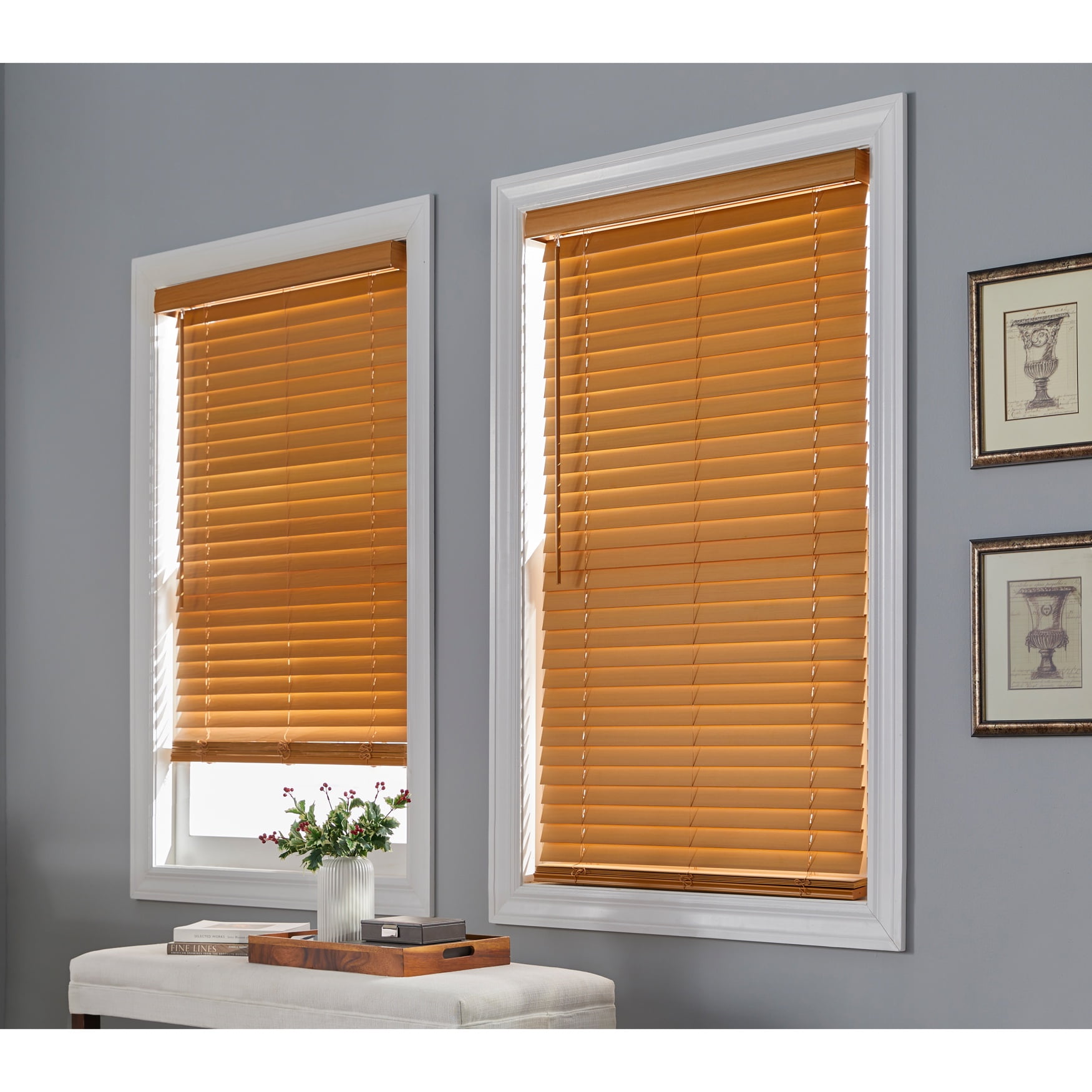
The blinds you select for these zones must be built on most recent polymers and composites. PVC (vinyl) and faux wood Venetian blinds are great for humid conditions. Their materials are non-porous; they are not able to absorb moisture, so the growth of mold and warping are non-issues. Aluminum Venetians with powder-coated finish are an excellent choice for a sleek appearance without rust. Synthetic fabrics Roman or Roller blinds in solutions-dyed Polyesters or Acrylics are softer alternatives. These fibres are naturally impervious to moisture. They are also often treated with an anti-mildew product. Natural fibres that are not lined or real timber should not be used in environments with high humidity unless specifically treated.
In contrast in the hot and arid inside of the continent from Broken Hill up to parts of Western Australia the UV radiation is strong and temperatures swings are huge. The sun's UV radiation degrades the materials found in this area. Plastics and fabrics fade, and become brittle with time. The constant expansion and contraction from hot days to cool evenings can strain mechanisms and fittings. UV stability in this type of climate is crucial.
It is important to select fabrics engineered for solar resilience. Even for indoor use outdoor-rated fabrics are an excellent investment. These are made from yarns that are solution-dyed (often known by brands like Sunbrella) which contain the color embedded within the polymer. This makes them extremely resistant to fade. Blinds for rollers need to include a UV protection coating, for both the furnishings and for the blinds. Aluminum slats can be used, but any hardware must be made of UV-stabilised components. Here, the subtle issue is color choice. Darker colours can absorb more heat in intense sunshine and can deteriorate faster. Lighter tones reflect heat more effectively and keep their look for a longer time.
It's also important to note the coastal area which is a small but densely-populated zone where the air is a mixture of fine sand and salt. The corrosive nature of this environment will cause metals to deteriorate quickly. Standard metal rollerblind cassettes and aluminium slats that have an inferior finish will show signs of pitting. The sand carried by wind is an abrasive that microscopically cleans surfaces.
The requirements for coastal properties have to be aggressive. Marine-grade aluminium or stainless-steel components are unaffordable for any metal part including the headrail and the tilt wand. Look for products that advertise a "coastal" or "salt-air friendly" rating, which generally means fittings have undergone specific anodising or coating processes (like the marine-grade powder coat) to stand up to salt spray testing. PVC and acrylic fabrics are resistant to salty air as is composite "faux-wood" or composite "faux-wood". For a safe and rust-free wall you should only use stainless steel screws or anchors.
Beyond these three broad zones, there are microclimates to consider. Melbourne's south-facing balcony is subjected to cold and humid conditions. The windows facing west in Adelaide are subject to a powerful afternoon sun. A local expert is invaluable when faced with this issue. They've observed what's working and what's not in the region you reside in. They know which powder coats last more well in Bribie or which fabric blends will not fade under the sun of Perth.
Ask them specific questions based on their location: "I live three streets from the beach in Sorrento Do I have to buy the marine-grade product?" If I have a west-facing Penrith sunroom, which is the most TSER (Total Solar Energy Refused) fabric that also guarantees durability in color? Their answer must be rooted in the local context, not just a generic brochure.
Viewing your blinds in the context of climate suitability will ultimately give you security and worth. The distinction is between a blind that's only a temporary decor and one that will be a part of the shell of your house. Modern materials science has been developed to meet the Australian environmental demands. If you choose blinds designed to fit your backyard window, you're not simply buying an ornamental window. You are investing in something that will last for a long time, look stunning and last year after year. This is the best approach to design - beauty built for your home. Follow the most popular blinds for blog info including blinds direct online, blinds wholesale, fit shades, get blinds, made blinds, order window shades, quality blinds, door with blinds, blinds direct blinds, order window shades and more.
How Can You Assess Your Blind Supplier By More Than The Brochure
In the Australian blinds market, you're not just buying a product; you are entering into the making of a promise. This is a guarantee that the measurements are correct and that the installation will be flawless, and that your motor will run for a long time, and should you encounter a problem we'll repair it with no hassle. Fabric samples are real, however, service, expertise and integrity are not. The credibility of the provider is what you should focus on prior to discussing fabrics. The credibility of the company within your local community is the first line of defense when dealing with an industry where an accident could cause a blind to malfunction or does not work or is poorly fitted.
Online reviews are the modern start point, but they are they are not just a glance. It's just as suspect as a high-scoring review to achieve a score of 5.0 with just a handful of reviews. Look for volume and patterns across multiple platforms--Google My Business, ProductReview.com.au, and Facebook. Take a look beyond positive reviews. Take a closer look at the 3 and 4 star ratings, and most important, how the vendor responds to criticism. The character of the company is revealed. Are they blaming and responding with defensiveness or do you see them addressing the issue with a specific solution? The proof of accountability is a company that publicly admits to having a problem and promises to correct it. You should look for praise that is specific to the issue you are trying to fix: "Their installation, Mark was punctual and they cleaned the area flawlessly," or "They dealt the issue of a manufacturing delay in a manner that was transparent and kept me informed." This kind of feedback is much more valuable than 100 "Great job!" comments.
However, digital reputations are managed. This is the point where the time-value in business becomes a powerful, old-world measurement. A business that has survived multiple economic cycles, adapted to ever-changing safety standards and has provided for generations of local homeowners has a history you can rely on. After 10 or 15 years of service They are likely to have dealt with a variety of issues, such as the wrong fabric shipped from the warehouse and windows that were not square, and faulty motors. They also designed systems to avoid these. It is likely that they have built strong direct relationships with manufacturers. This gives them an advantage over warranty claims, and allows them to get access to better-quality parts. They've had a long-standing presence in the locality and this shows that they're invested. Their business name is also tied to the work that they are doing in the community. It is not possible for a business to create a bad first impression only to rebrand the following season.
The next step is to evaluate their local portfolio. A reputable provider should be able provide examples of work in your region as well as not just from the general catalog. Request to show me some of your blinds that you have installed on windows that are like mine. Or "Do you have pictures of a motorised system you set up in a modern living space that is open?" The ability to provide these images shows a track performance record that has been successful. You can also ask them to arrange a visit to the site of the job that was completed or give you the contact information of a previous client. Seeing the work in situ, examining the finish of the installation and hearing directly from a homeowner about the process is an invaluable due diligence. It goes beyond the realm of theoretical claims to actual outcomes.
Alongside these three pillars your direct consult will also include a live audit. A trustworthy supplier does not limit their service to a single transaction instead, it should be both educational and informative. They should be as thorough as possible in asking questions: about your house's layout, daily routine, your worries about pets and children and your long-term vision. It is important to insist on a trip to the website for anything bigger than a single standard window. This is because measuring from floor plans can cause a lot of damage. The quote should be specific including breakdown of the supply, measuring the space, preparing it, and any additional costs, such as additional child safety devices or customized brackets. This lack of detail is a big red flag.
Be deeply wary of the "too-good-to-be-true" quote. Blinds companies compete on price alone, using imported inferior products and no local inventory, and subcontracting installation to the lowest bidder. They also provide warranties that are difficult to apply. Blinds that wear out in only a few seasons, motors which fail right before the return window and installers who leave a mess or do not even answer the phone are just a few examples of hidden costs. The cost of a reliable supplier reflects the local wages for qualified installers, the quality Australian-compliant material as well as the overhead costs that come with keeping an actual presence.
The choice of blinds providers in Australia is ultimately a risk-mitigation exercise. You're investing hundreds or thousands of dollars in an item that is custom-designed to become a physical part of your house. The name of the supplier will tell you about their past behavior. This is the most reliable method to know the way they treat you. This tells you that they will take care to take a second look and then install the product in a precise manner. They also stand by their work. In this day and age of digital storefronts, gig economy service and fleeting service providers an established local company with a proven, sterling reputation provides something that is priceless and that's certainty. This is the assurance that the blinds you see in the brochure are going to be put in your home and work flawlessly. The peace of mind that you get from this should be the very last and most important point on any offer.